1 / 7
+2
Starborn Polished Smithsonite Palm Stone
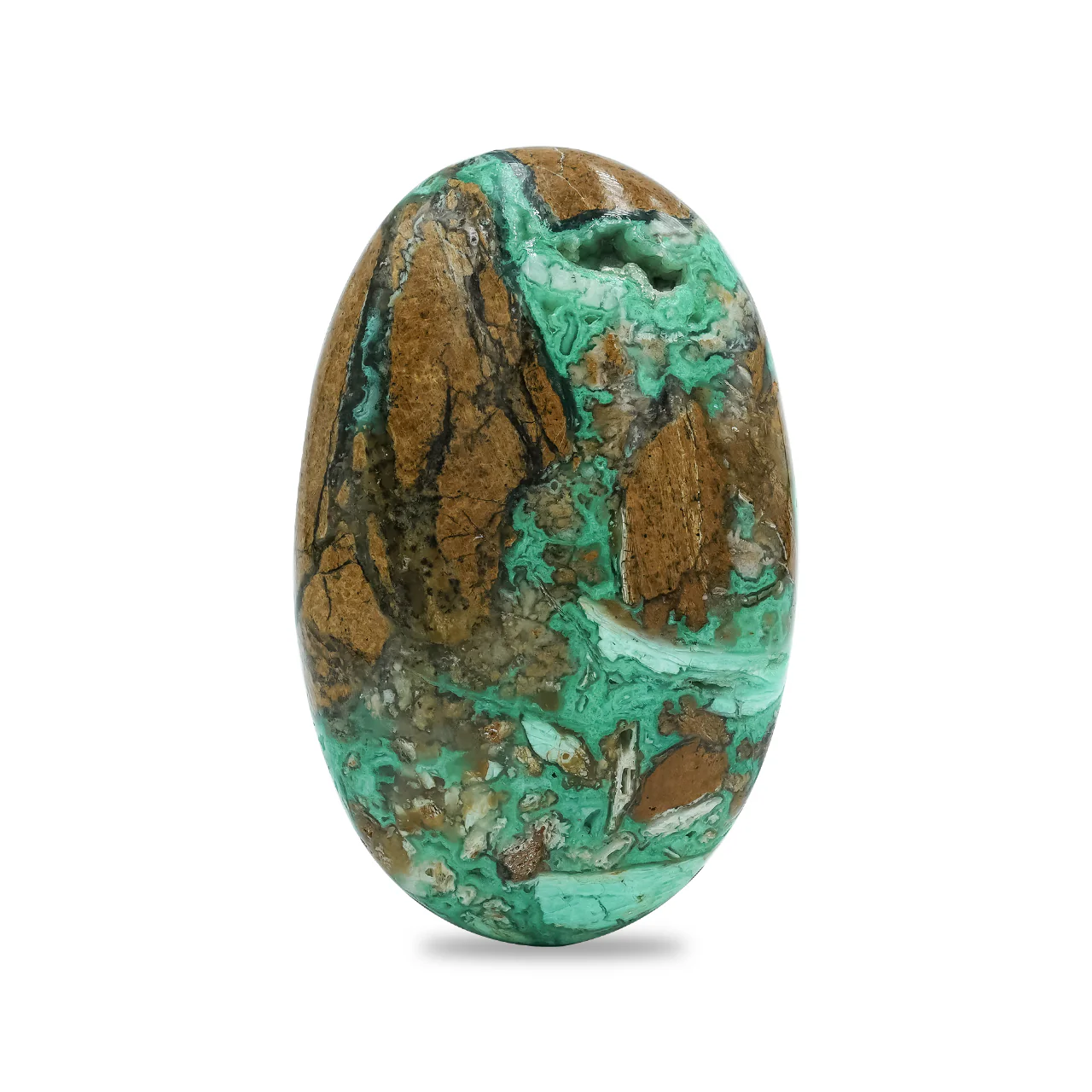
- These Smithsonite Palm Stones range in length from 55-60 mm and 36-40 mm in width, with one stone per order. Each palm stone weights around 48-60 grams.
- Smithsonite, commonly also known as Zinc Spar, is a zinc carbonate mineral that typically occurs in a variety of pastel colors, including pink, blue, green, yellow, and brown. It has an eye-pleasing sheen, which is caused by its vitreous to pearly luster.
- Originally identified in England and named after British chemist James Smithson (1765–1829), the mineral was once known under the historic trade name “calamine” before being recognized as a distinct species in the early 19th century.
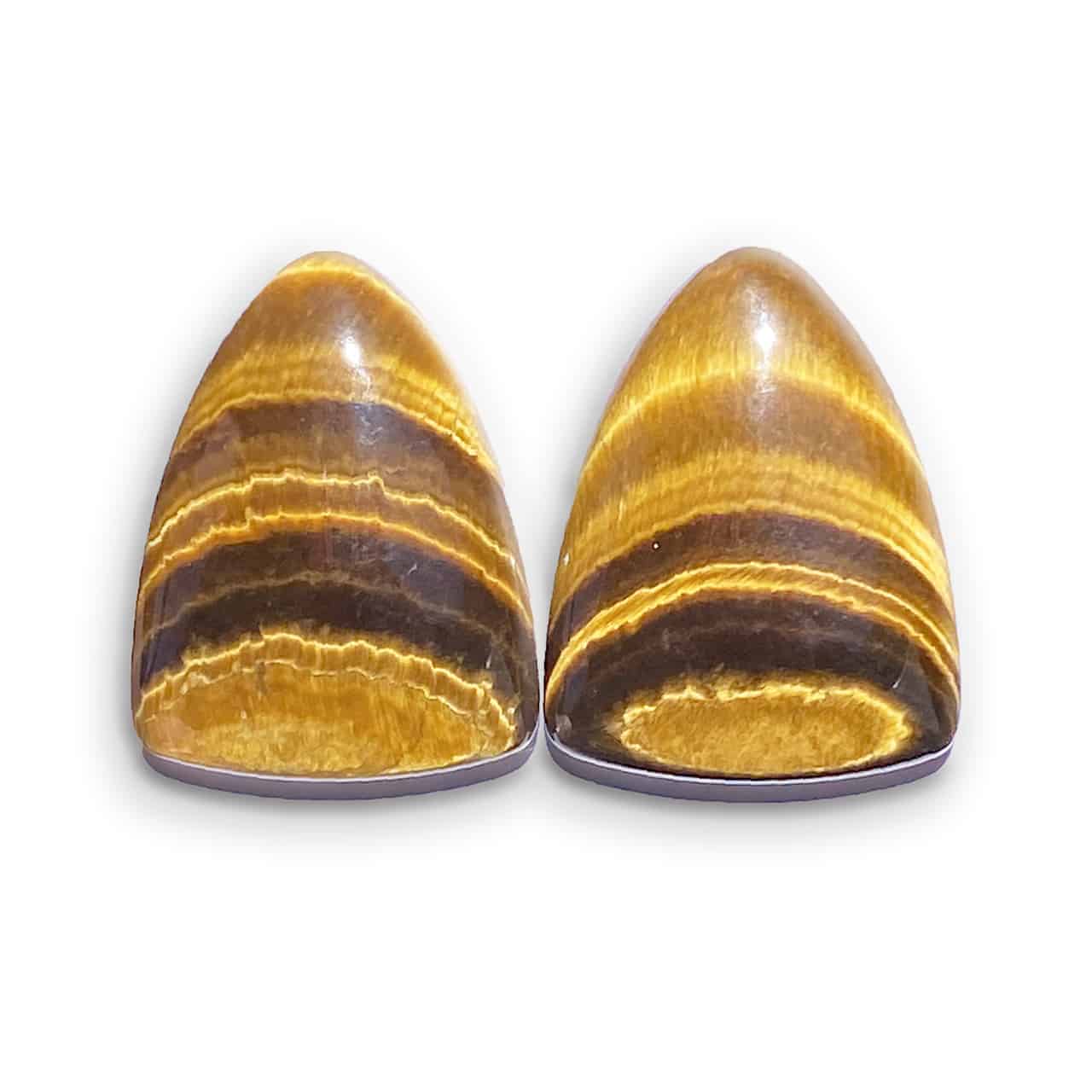
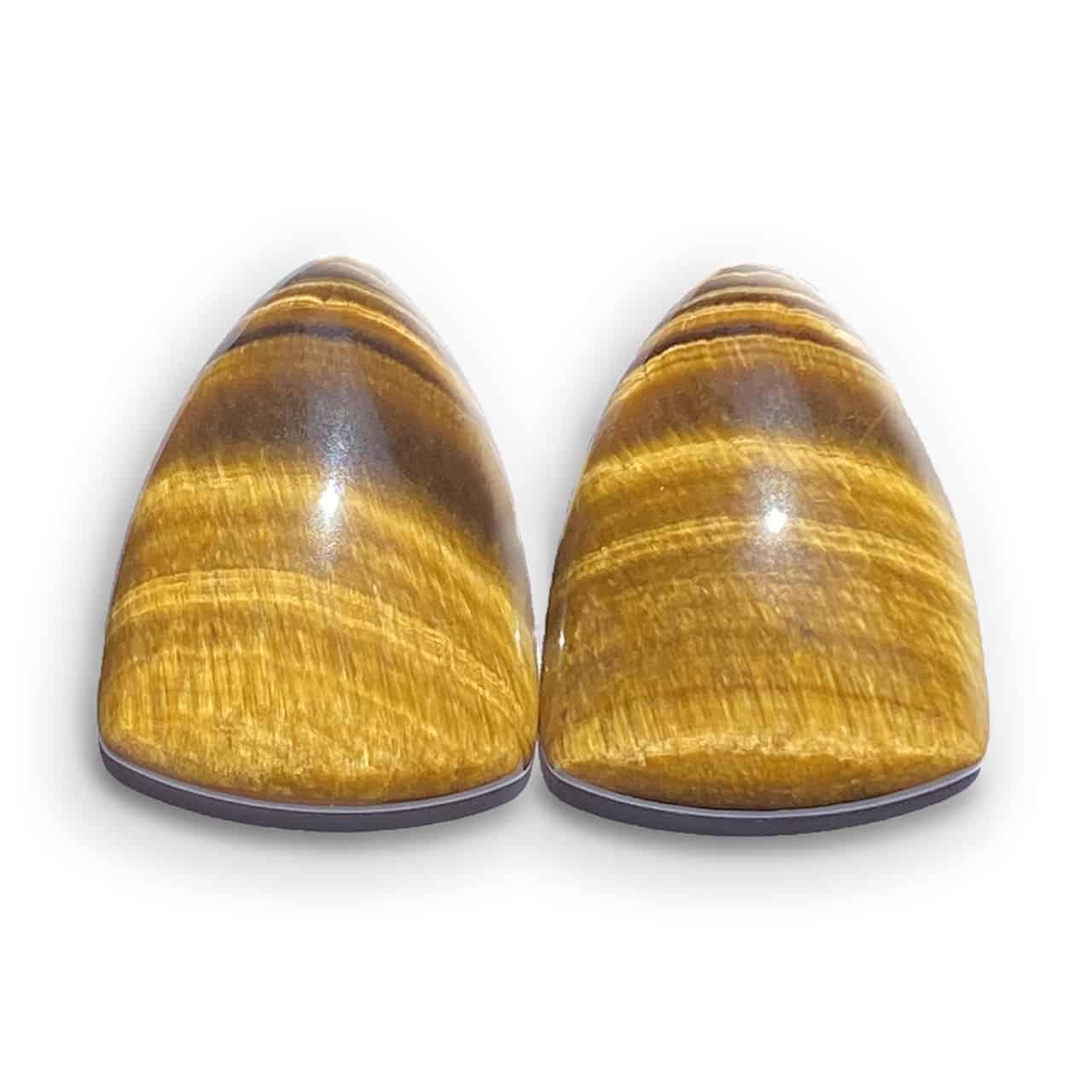
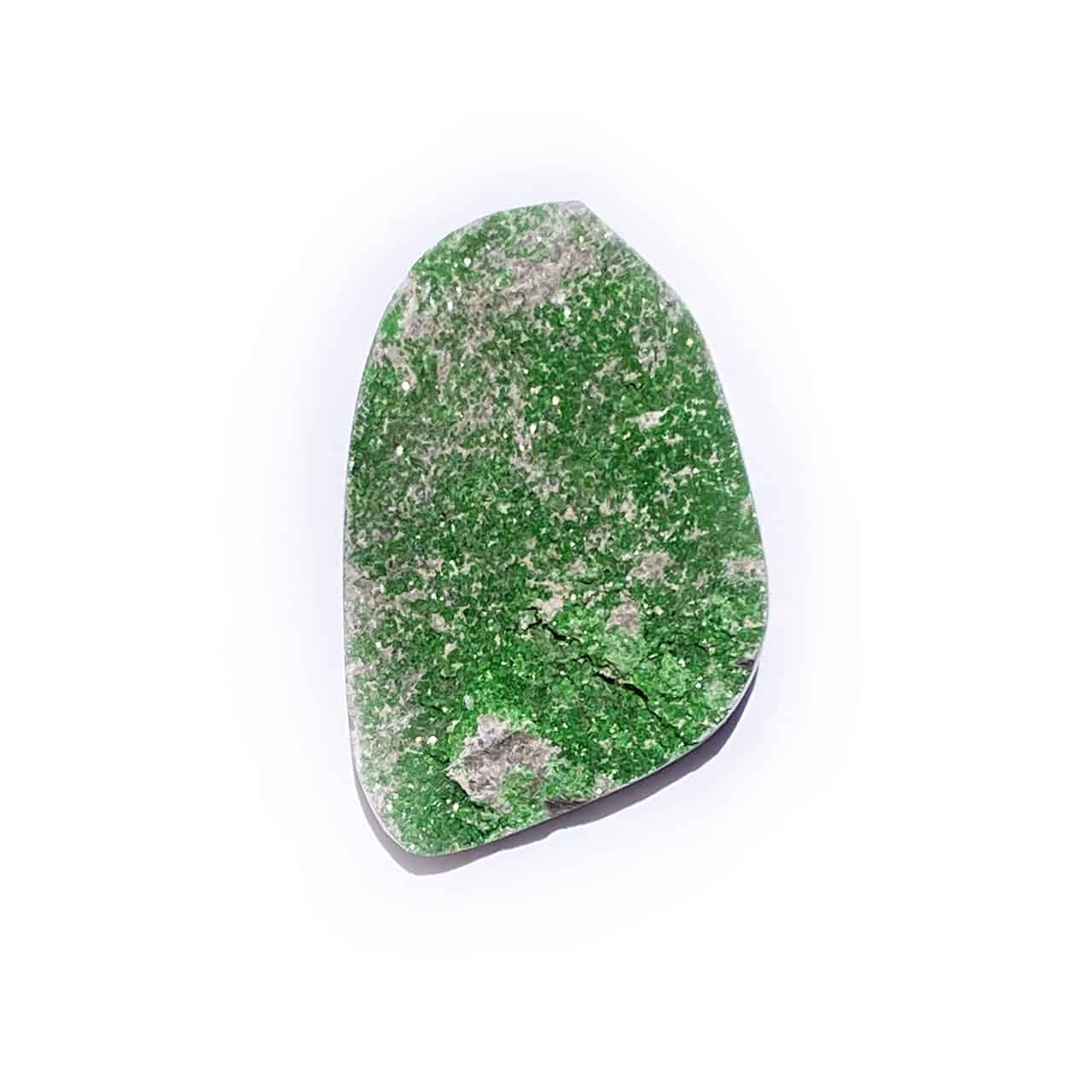
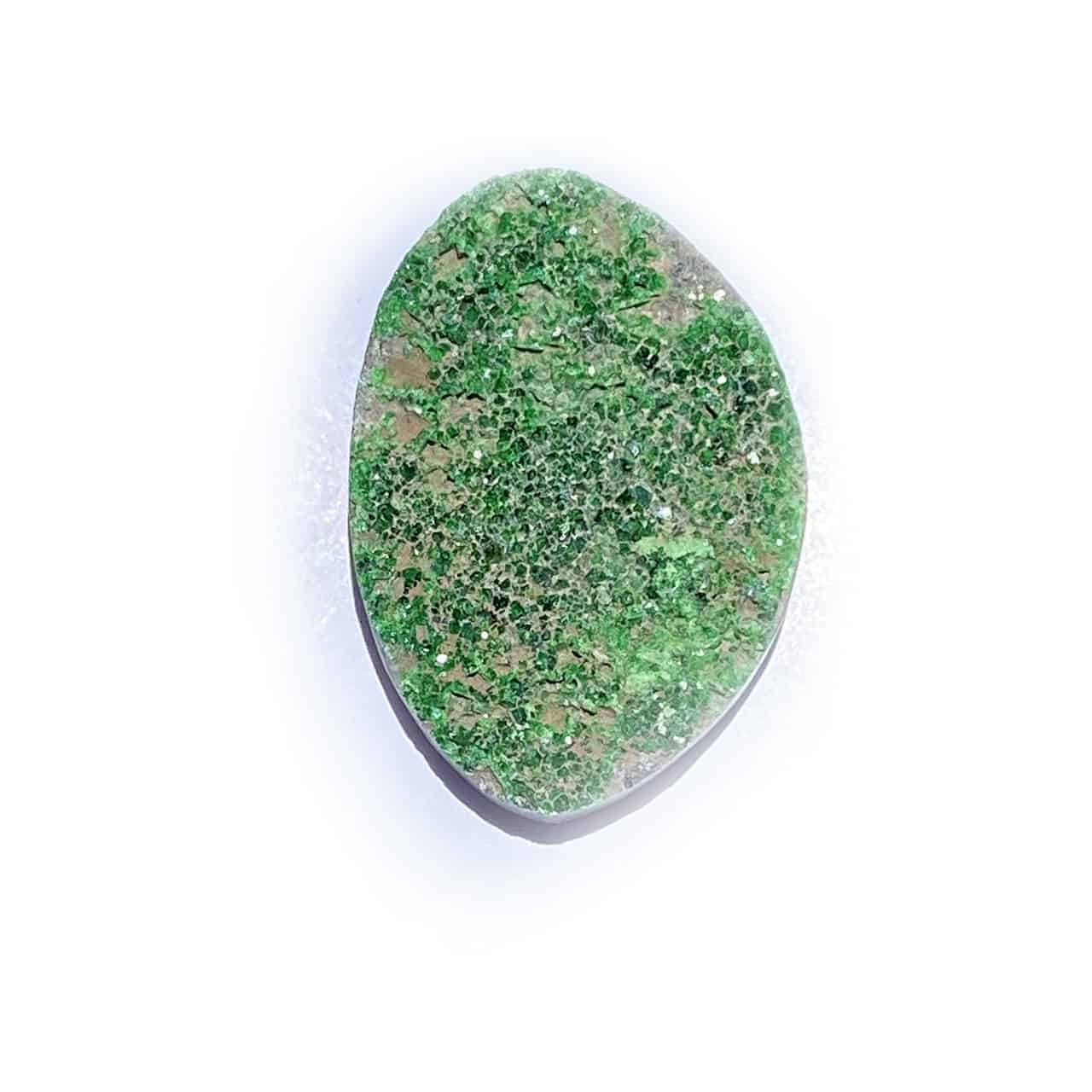
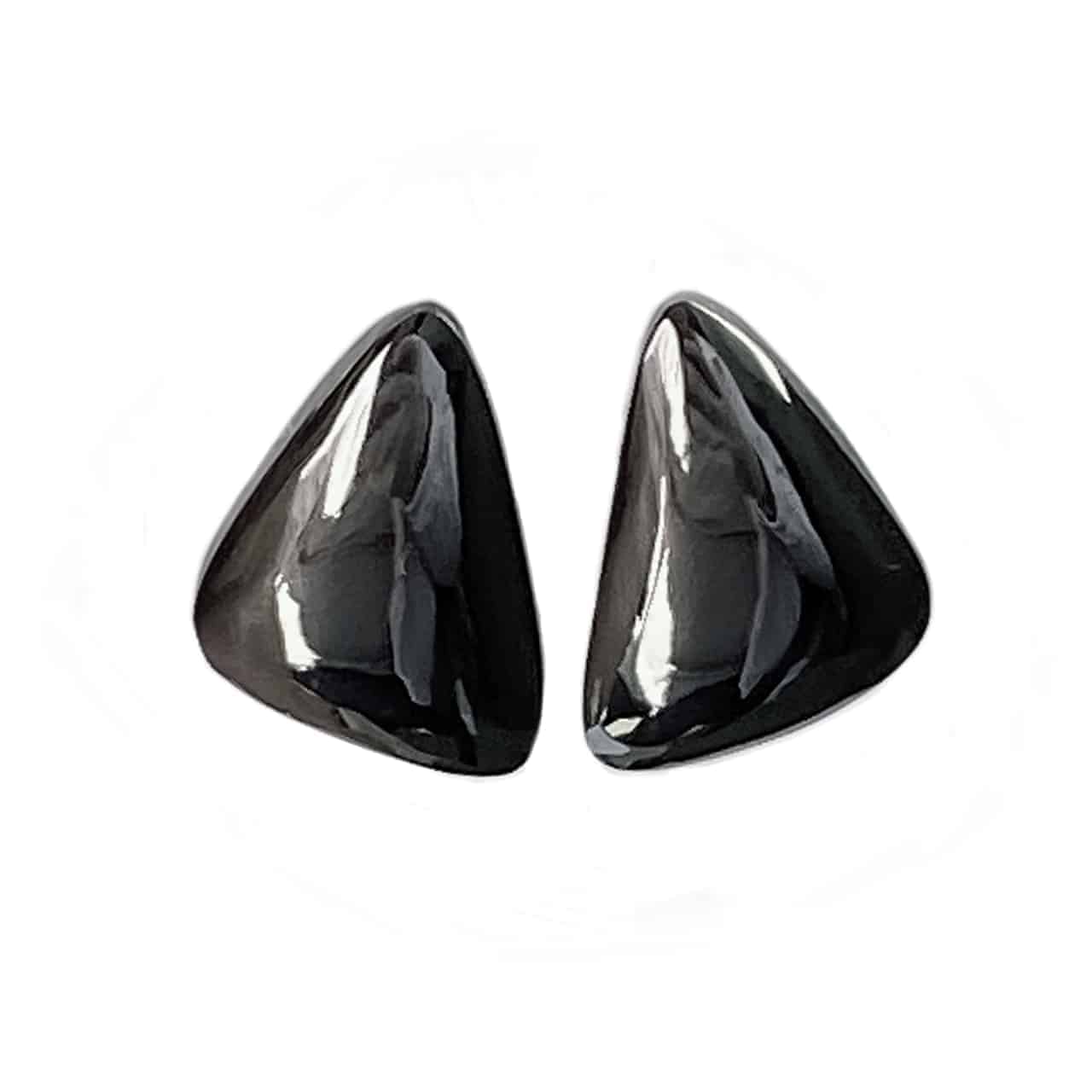
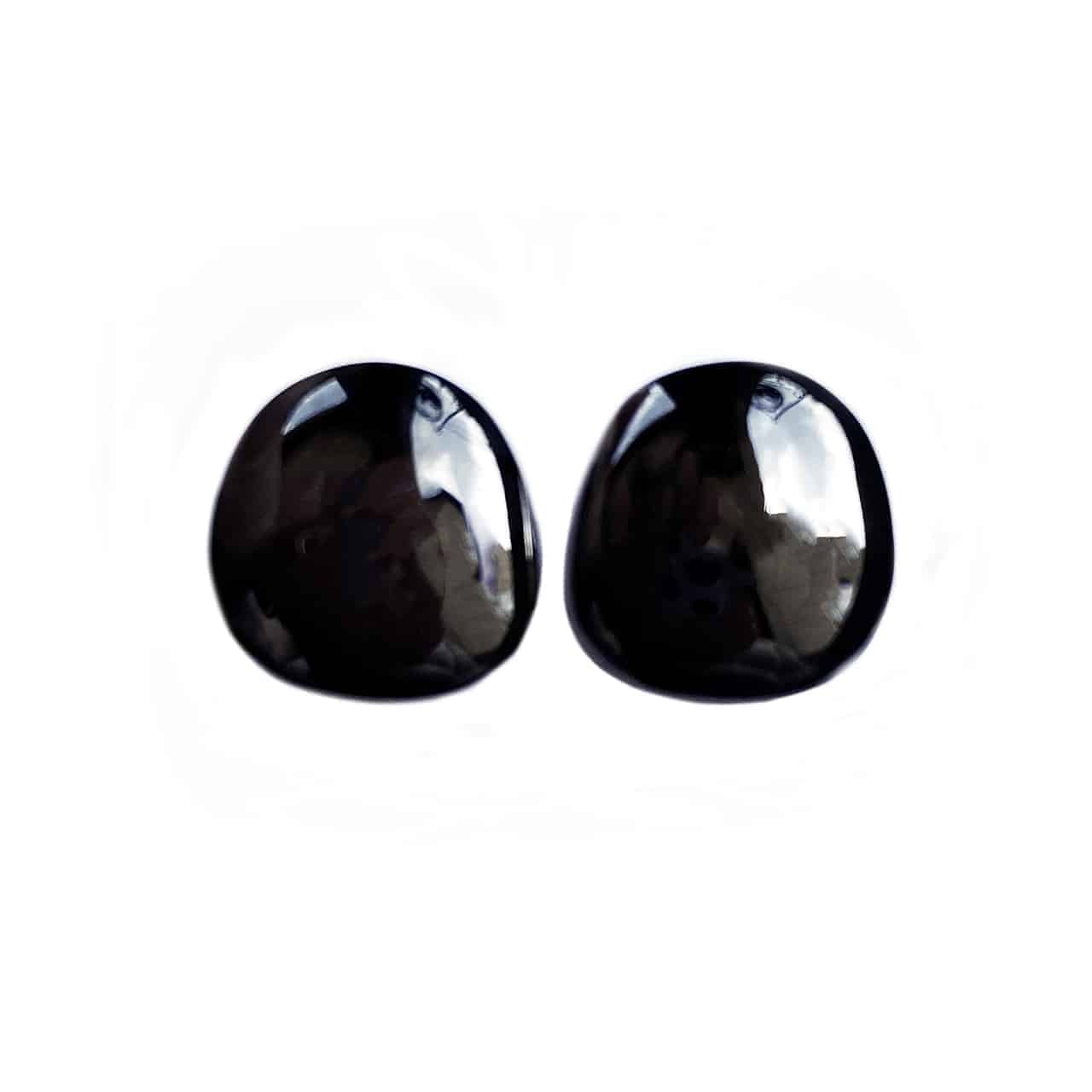
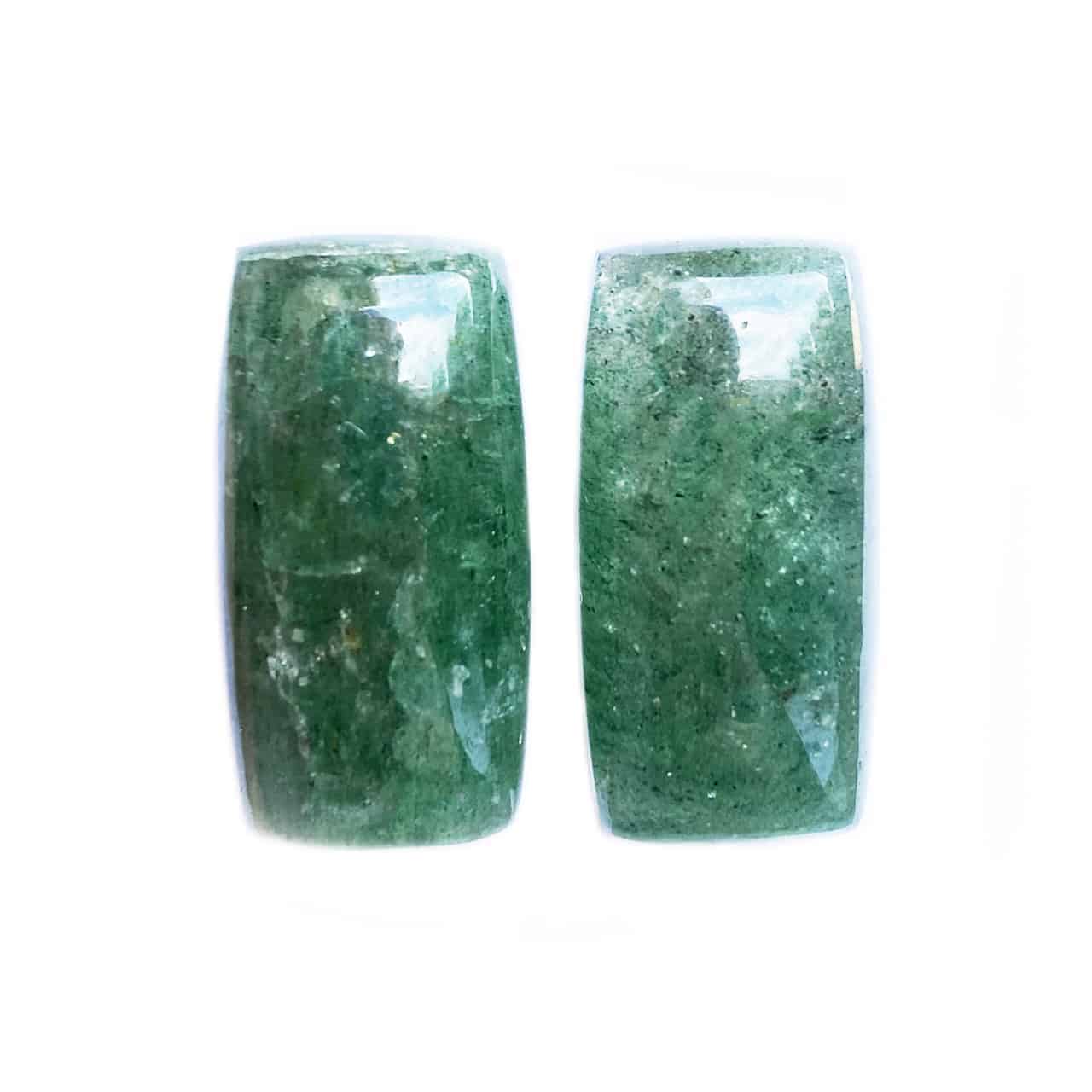
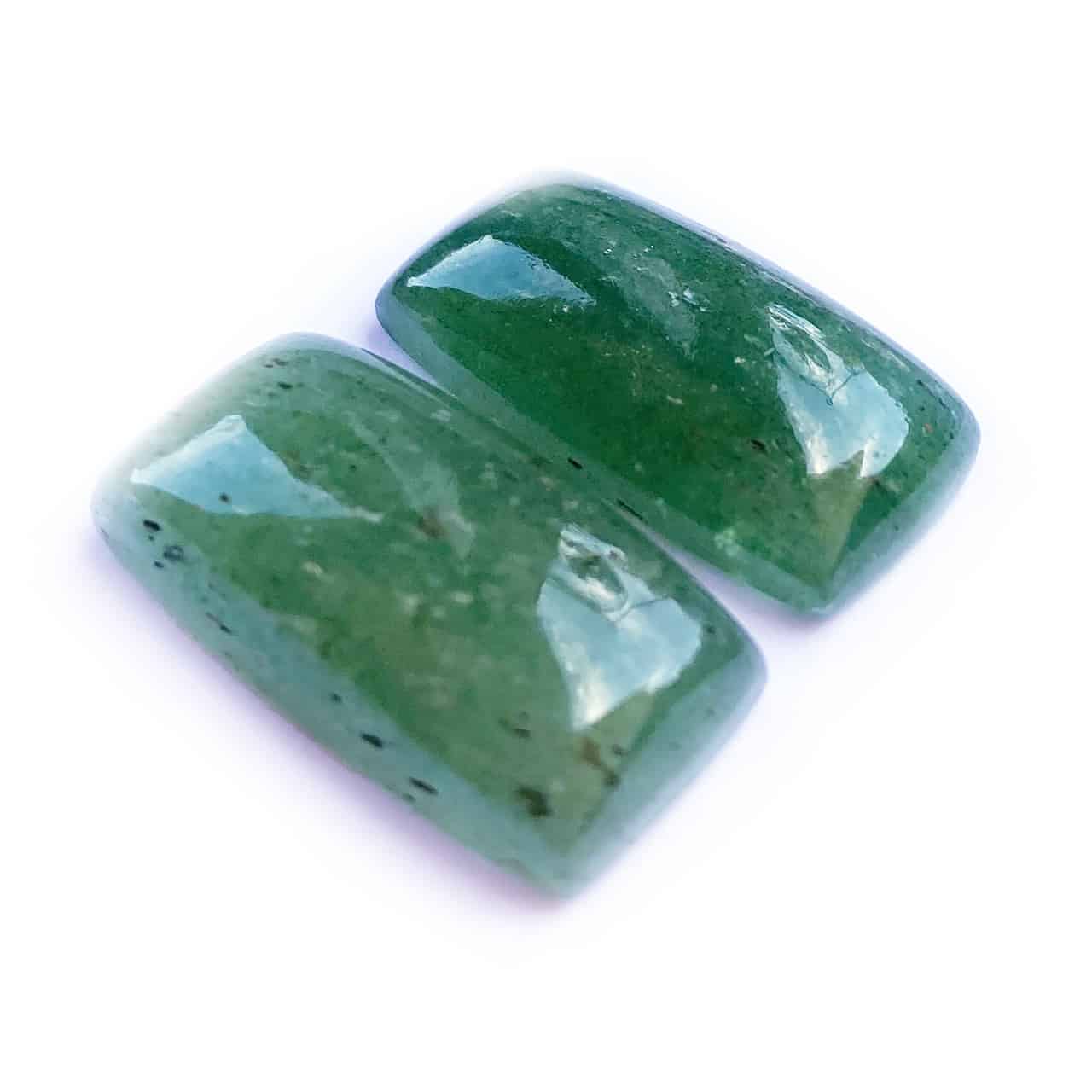
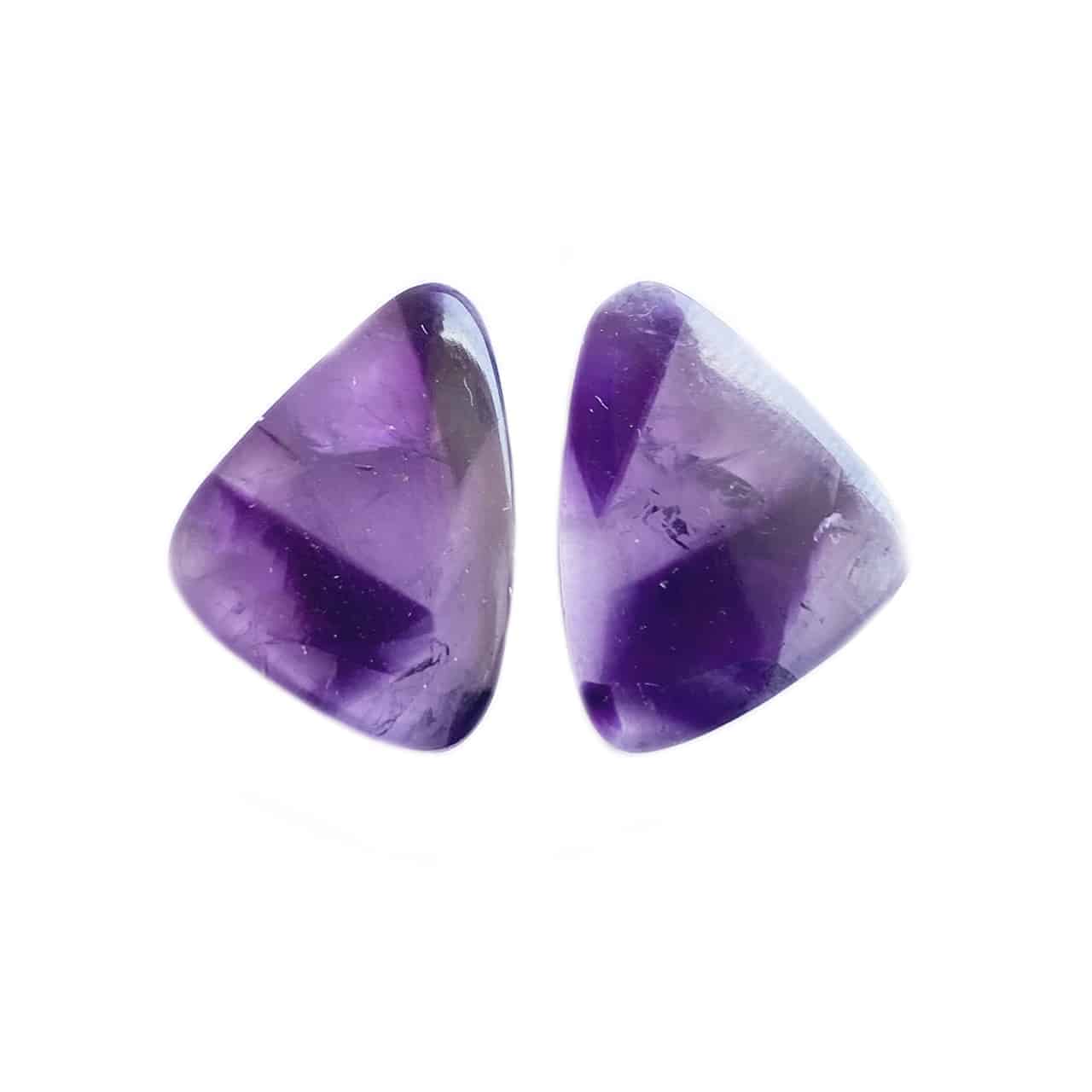
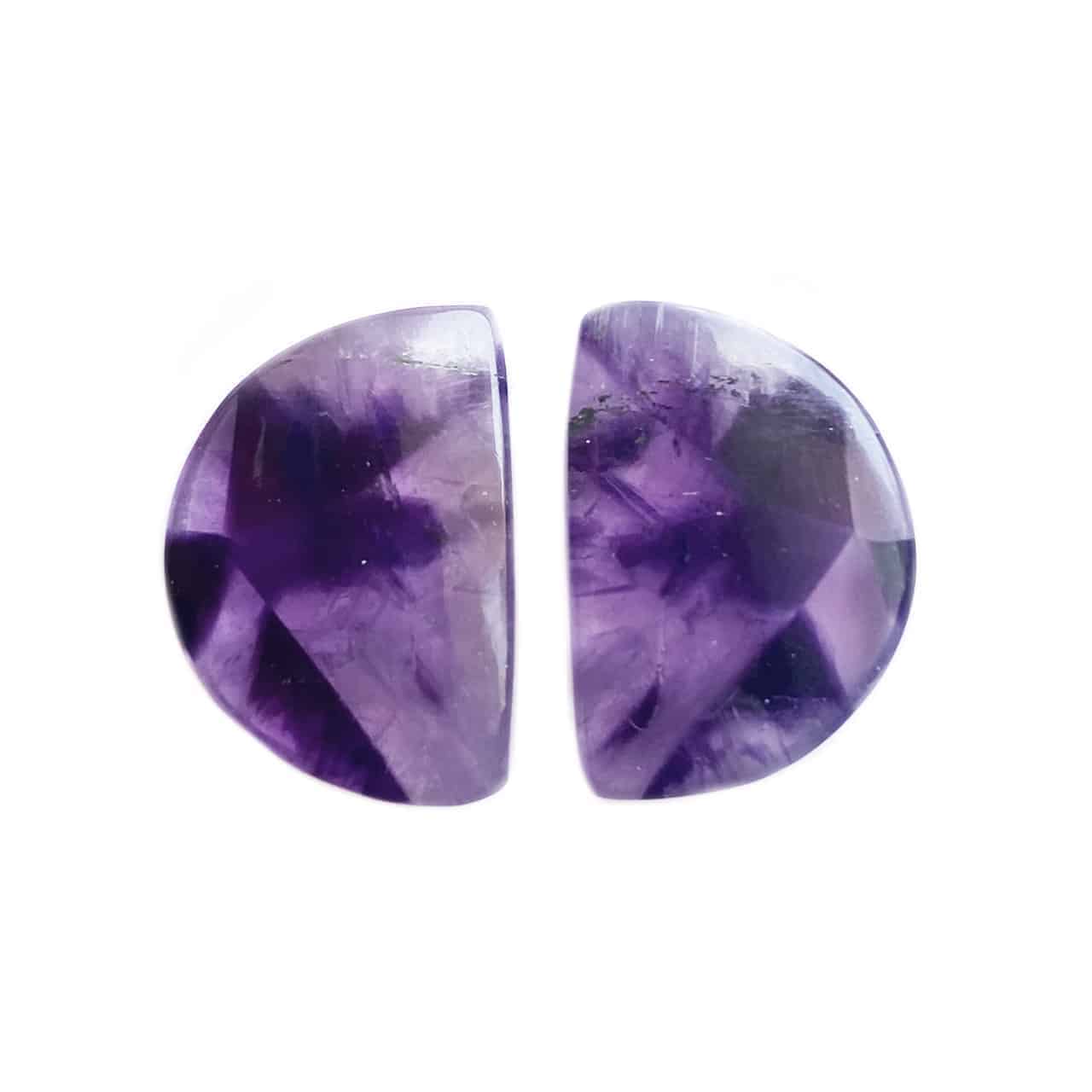
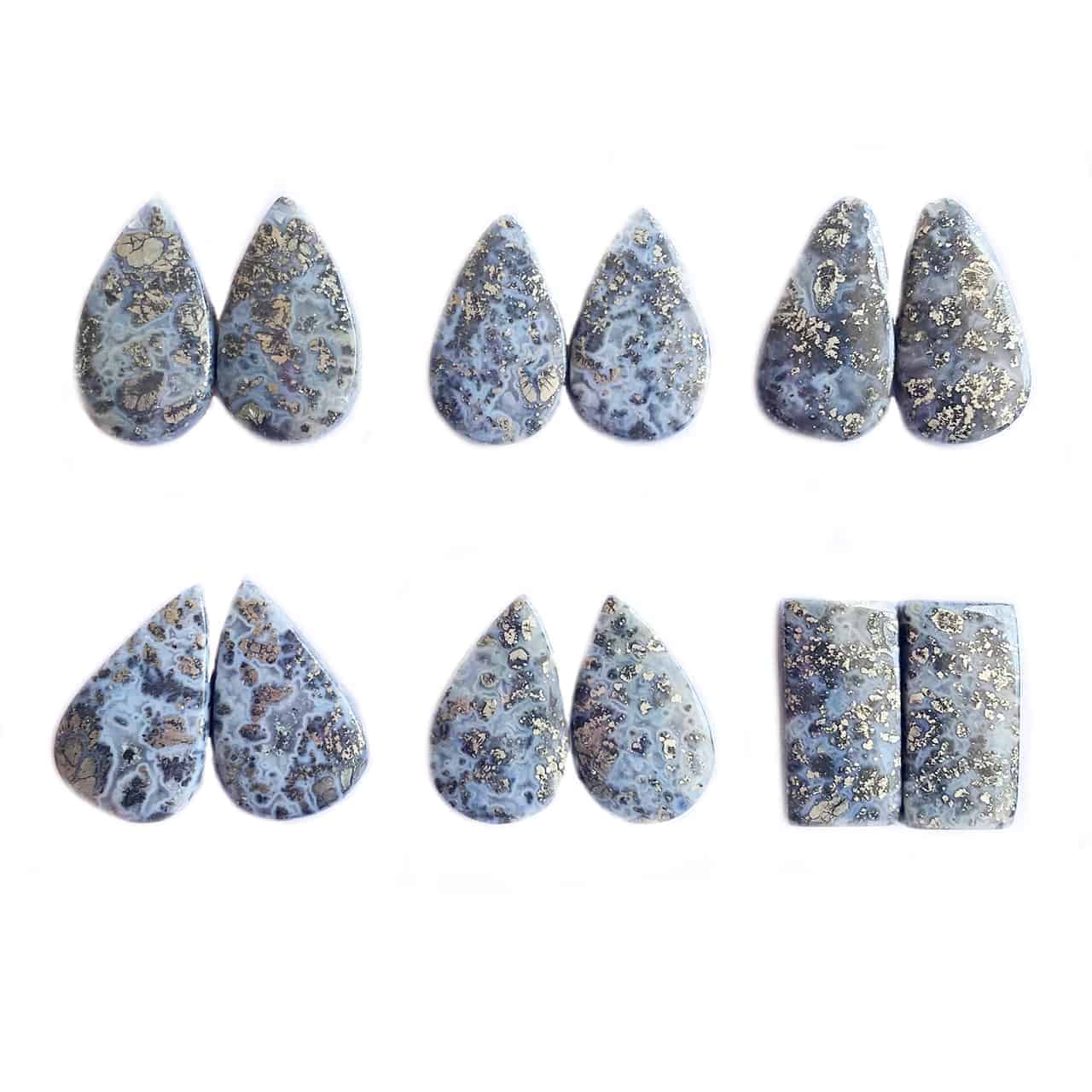
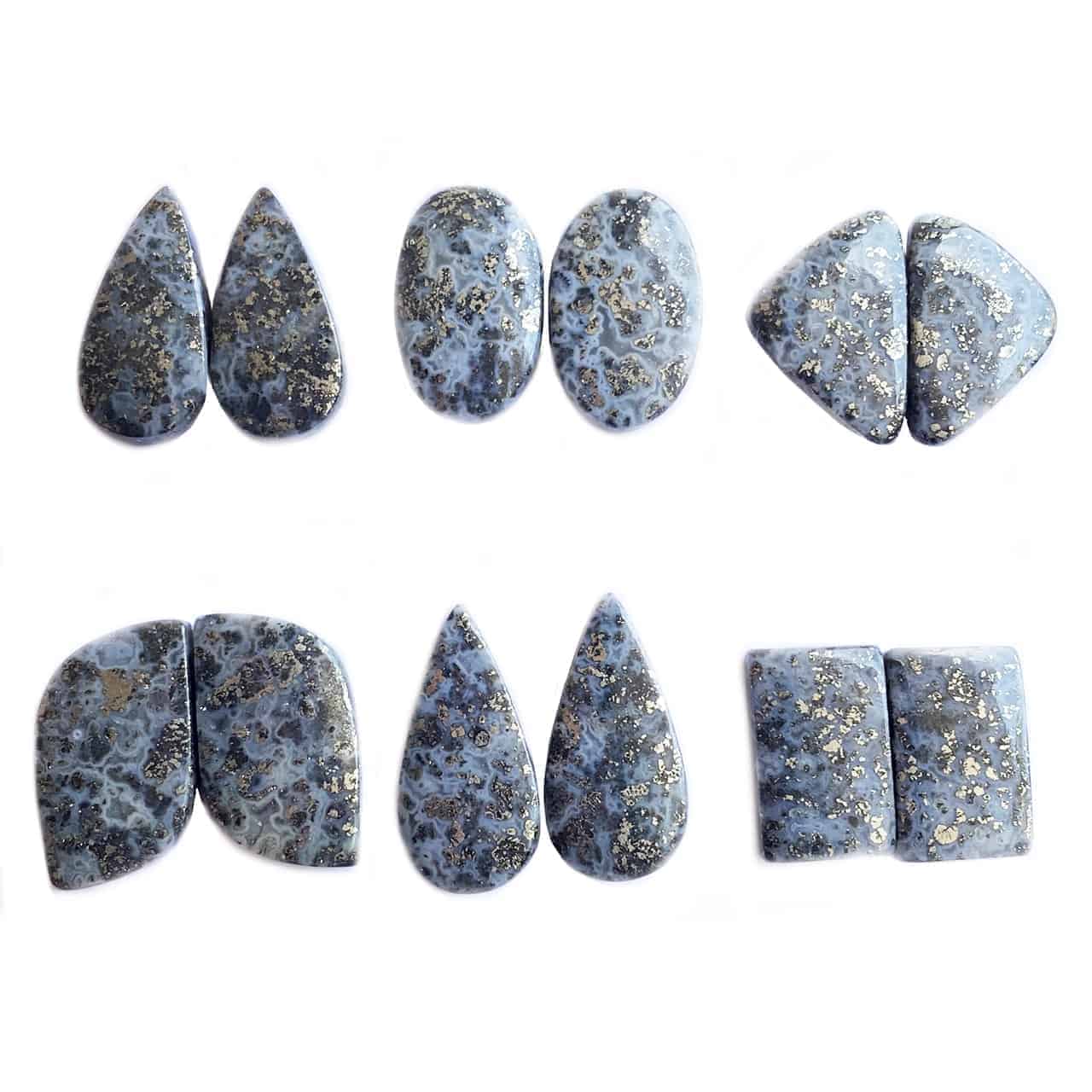
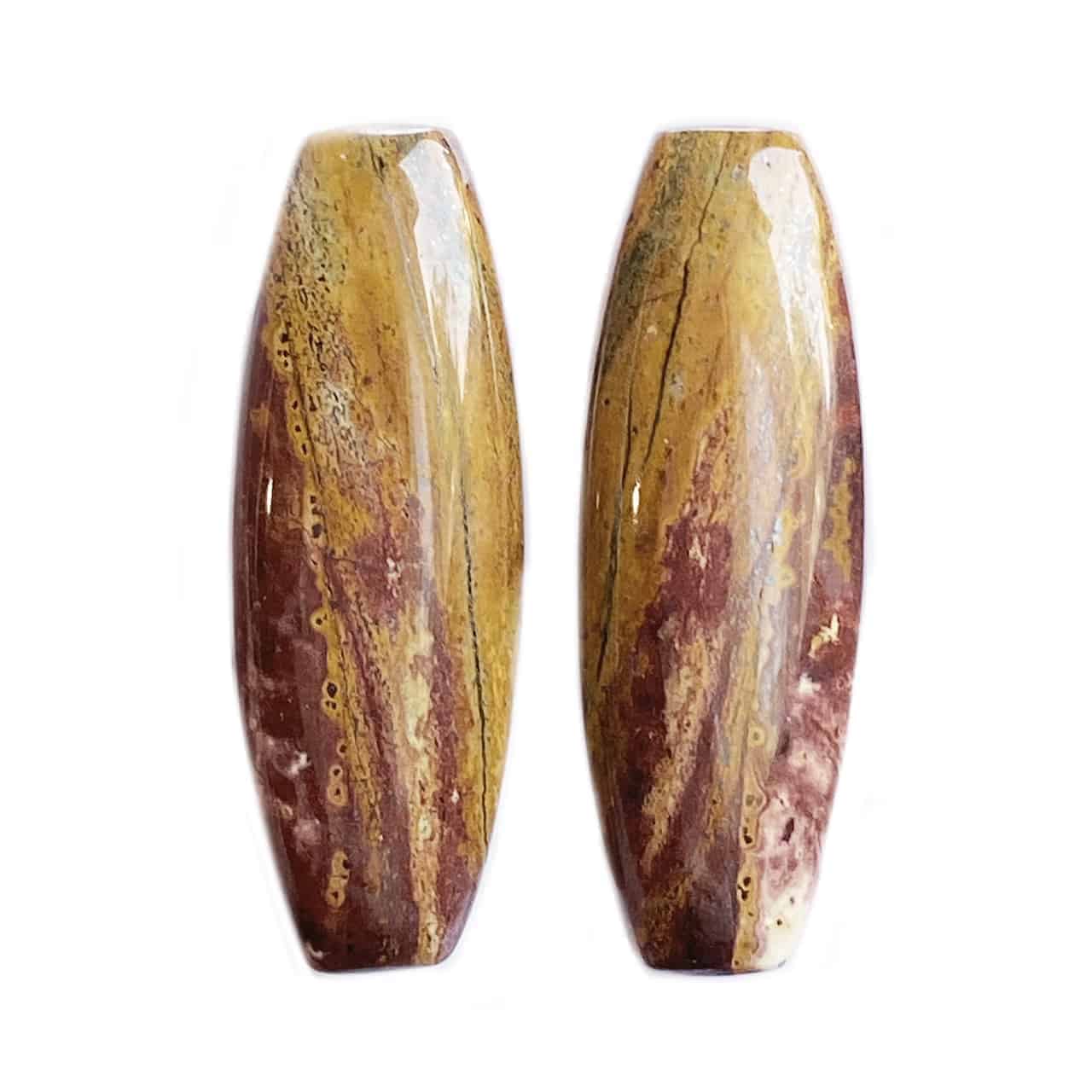
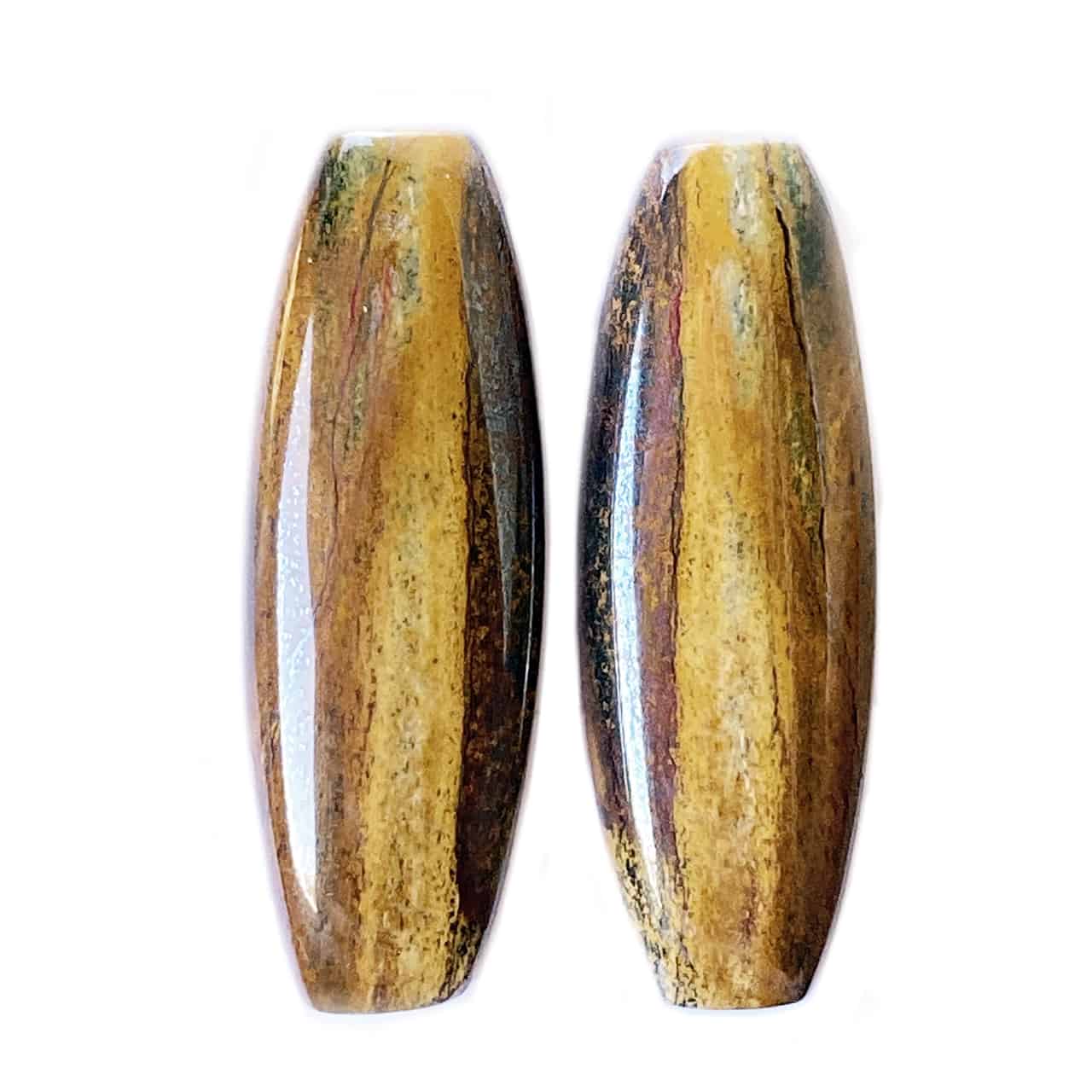
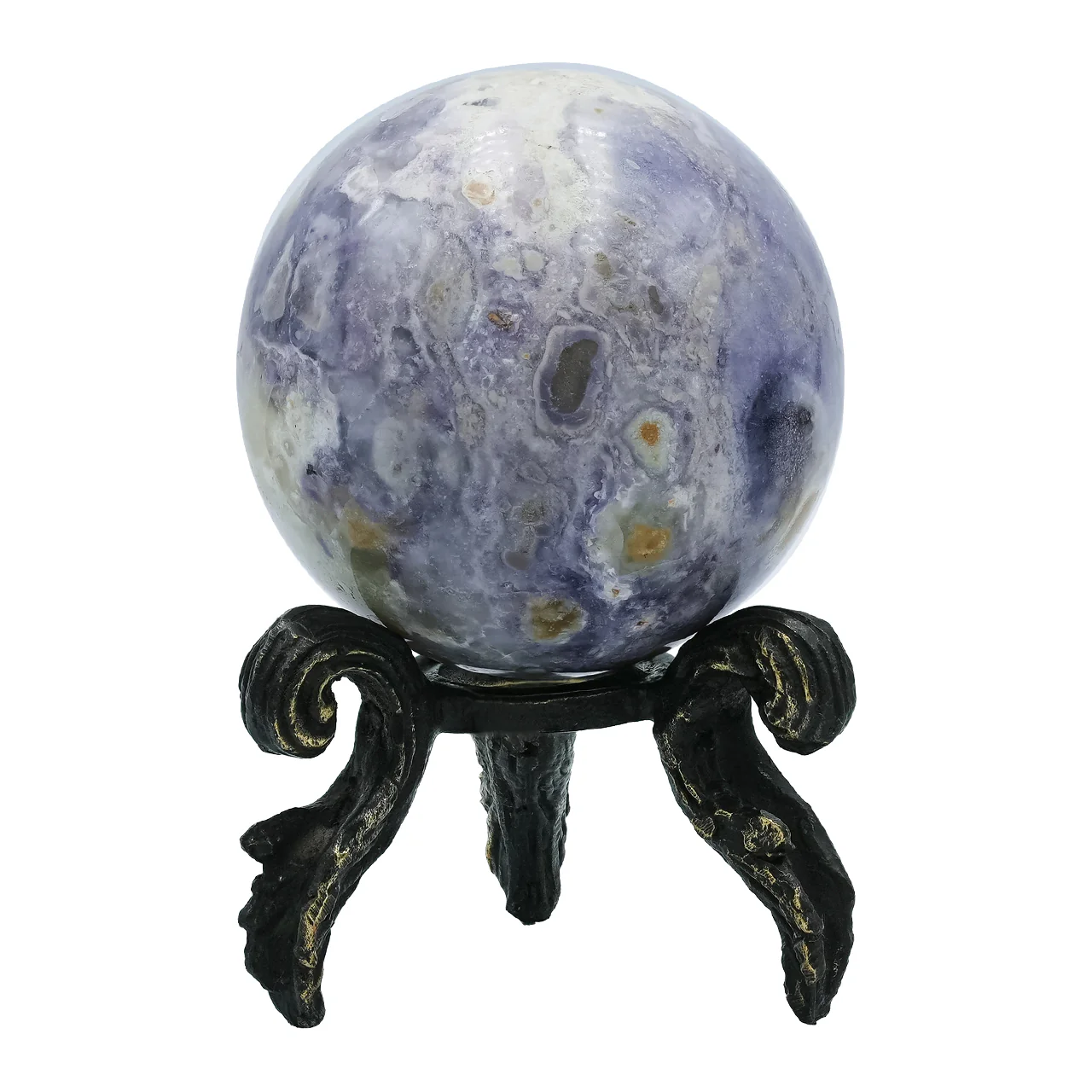
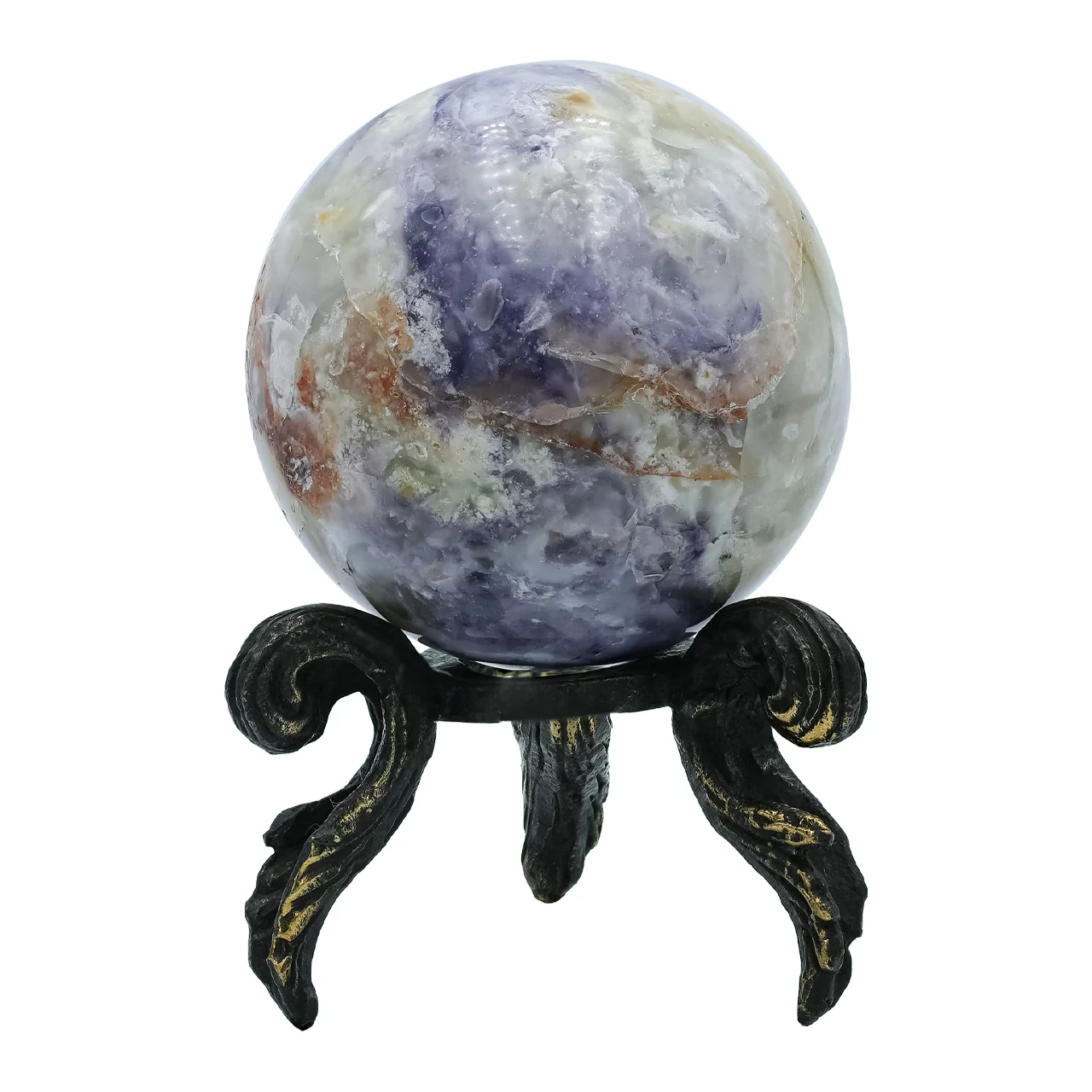
- Each Smithsonite pattern is naturally unique and may vary slightly from the image, though the overall pattern and color balance will be similar.
- These Smithsonite Palm Stones range in length from 55-60 mm and 36-40 mm in width, with one stone per order. Each palm stone weights around 48-60 grams.
- Smithsonite, commonly also known as Zinc Spar, is a zinc carbonate mineral that typically occurs in a variety of pastel colors, including pink, blue, green, yellow, and brown. It has an eye-pleasing sheen, which is caused by its vitreous to pearly luster.
- Originally identified in England and named after British chemist James Smithson (1765–1829), the mineral was once known under the historic trade name “calamine” before being recognized as a distinct species in the early 19th century.
- Each Smithsonite pattern is naturally unique and may vary slightly from the image, though the overall pattern and color balance will be similar.
$39.00
Starborn Polished Smithsonite Palm Stone—
$39.00
Description
- These Smithsonite Palm Stones range in length from 55-60 mm and 36-40 mm in width, with one stone per order. Each palm stone weights around 48-60 grams.
- Smithsonite, commonly also known as Zinc Spar, is a zinc carbonate mineral that typically occurs in a variety of pastel colors, including pink, blue, green, yellow, and brown. It has an eye-pleasing sheen, which is caused by its vitreous to pearly luster.
- Originally identified in England and named after British chemist James Smithson (1765–1829), the mineral was once known under the historic trade name “calamine” before being recognized as a distinct species in the early 19th century.
- Each Smithsonite pattern is naturally unique and may vary slightly from the image, though the overall pattern and color balance will be similar.